Vitamin B12, or cobalamin, is a water-soluble vitamin that helps your body produce red blood cells and DNA
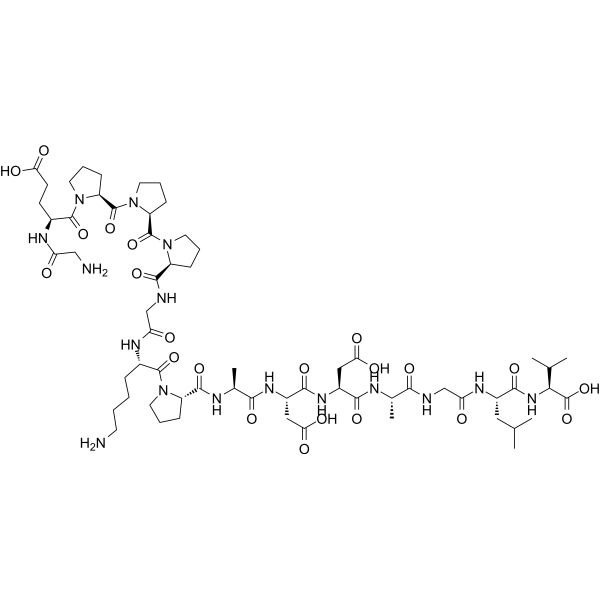
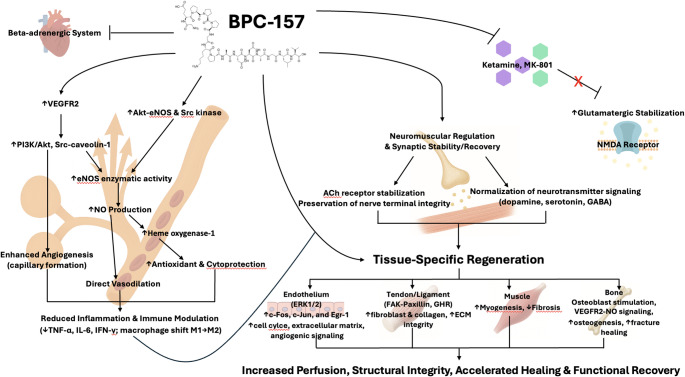
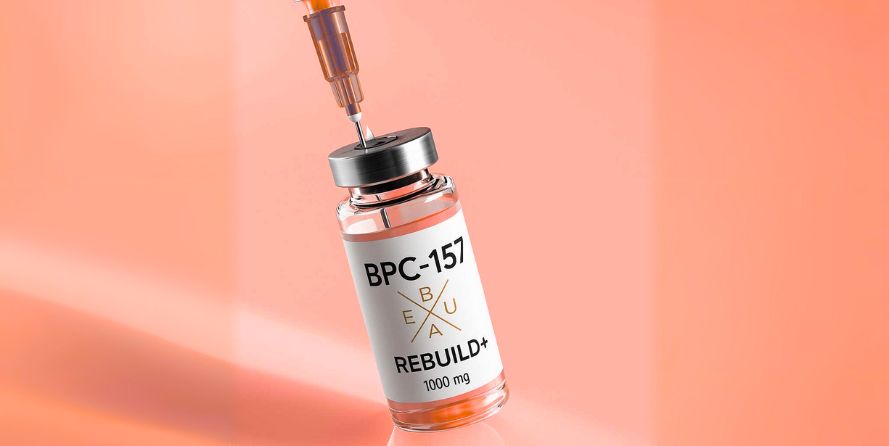
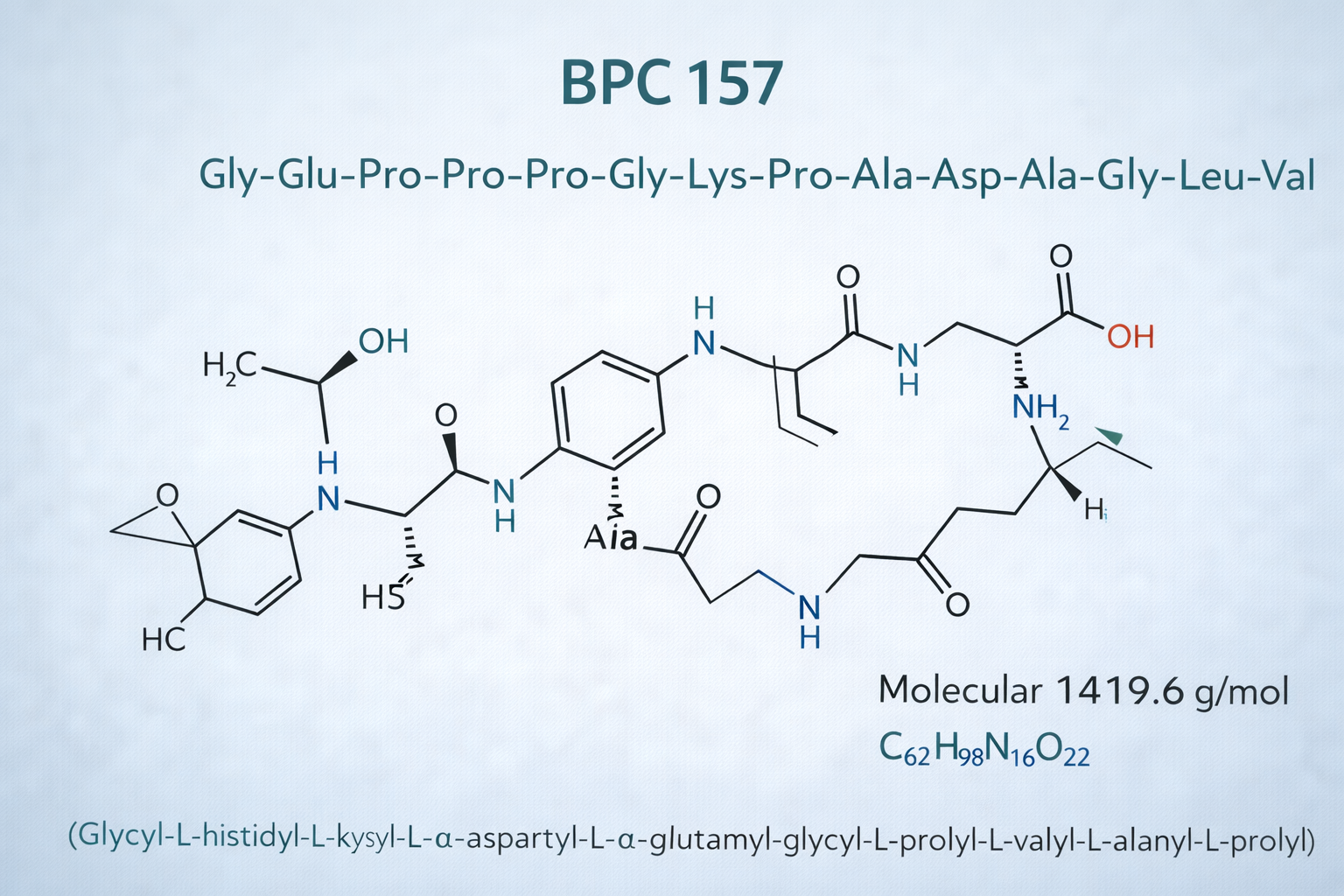
This synthetic pentadecapeptide, derived from the larger body protection compound found in human gastric juice, demonstrates exceptional ability to accelerate healing across multiple organ systems through angiogenesis promotion, collagen synthesis enhancement, and inflammatory modulation
Researchers first began exploring the intravenous administration of glutathione in the 1990s, and no indications of potentially adverse outcomes were observed

Essential B Vitamins for MTHFR B9 (Folate) Form: 5-MTHF (methylfolate), NOT folic acid Dose: 400-800mcg daily minimum (up to 5mg for some conditions) Why: Bypasses MTHFR enzyme bottleneck Look for: Quatrefolic, Metafolin, or L-5-MTHF on labels B12 (Cobalamin) Form: Methylcobalamin OR hydroxocobalamin (avoid cyanocobalamin) Dose: 500-1000mcg daily minimum (up to 5000mcg for deficiency) Why: Essential cofactor for methylation, lowers homocysteine Choose methylcobalamin for: Direct methylation support Choose hydroxocobalamin for: Sensitive individuals, histamine issues B6 (Pyridoxine) Form: P5P (pyridoxal-5-phosphate), the active form Dose: 5-50mg daily, but will be highly individualised Why: Supports transsulfuration pathway, prevents homocysteine buildup Avoid: Regular pyridoxine HCl (requires conversion) B2 (Riboflavin) Form: Riboflavin or riboflavin-5-phosphate Dose: 10-100mg daily (higher doses for C677T homozygous) Why: Required cofactor for MTHFR enzyme function Benefit: Can improve MTHFR enzyme efficiency up to 50% Supporting Nutrients Magnesium Zinc Choline or TMG (Betaine) How to Choose a B12 Supplement for MTHFR Look for methylcobalamin or hydroxocobalamin Avoid cyanocobalamin Check for fillers or artificial folic acid Sublingual/ spray forms often absorb better Frequently Asked Questions About B12 and MTHFR Which form of B12 is best for MTHFR