Supporting the hypothesis that caspases play an essential role in RBC apoptosis, the study showed that oxidatively stressed RBCs mimicked key apoptotic events
Consider them when: Signs you might need supplementary protein Youre losing weight very rapidly (more than 1-2 pounds per week) despite eating protein with each meal Your healthcare provider recommends increased intake You consistently struggle to meet protein targets through whole foods alone You experience persistent digestive symptoms that make consuming whole food proteins difficult Youre very physically active and have increased protein requirements Types of protein supplements If you decide to use protein powders, consider these options: Whey protein : Fast-digesting, complete protein derived from milk (20-25g protein per scoop) Casein protein : Slow-digesting milk protein, good for between meals or before bed (20-25g per scoop) Plant proteins : Options like pea, hemp, or rice protein for those avoiding animal products (15-20g per scoop) Collagen peptides : Not a complete protein, but supports skin and joint health (10-15g per scoop) Protein-enhanced foods : Products like protein yoghurts, drinks, or bars (varying protein content) How to use protein supplements effectively If incorporating protein supplements: Start gradually : Begin with small amounts to assess tolerance Time it strategically : Consider having a protein shake when whole foods are less appealing Mix with whole foods : Add protein powder to porridge, smoothies, or yoghurt rather than just with water Choose quality products : Look for supplements with minimal additives, sweeteners, and fillers Keep in mind that protein powders should complement, not replace, whole food sources whenever possible
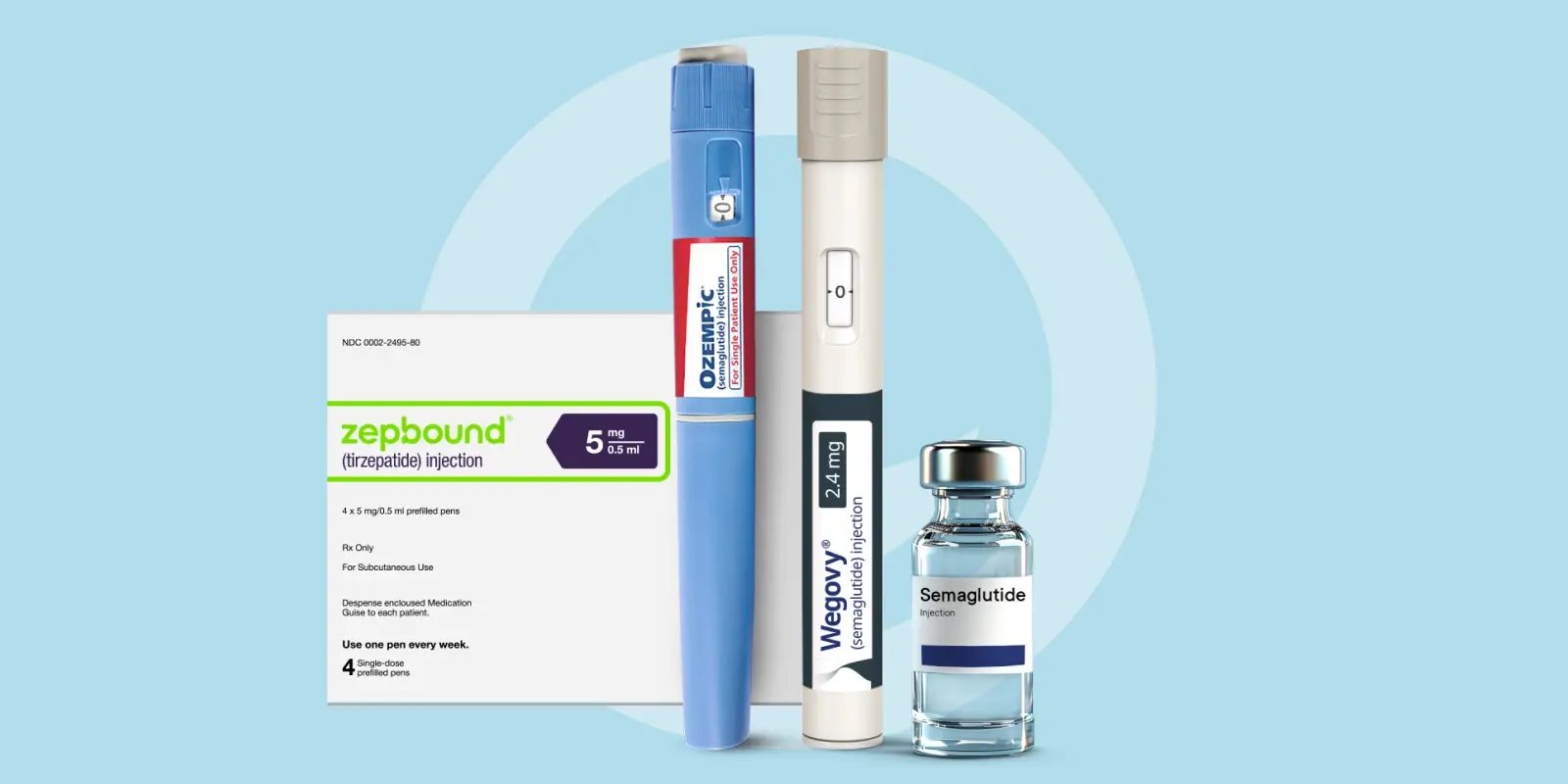
Some are available OTC, while others require a prescription
If symptoms worsen after activity, pacing strategies may help reduce post-exertional crashes






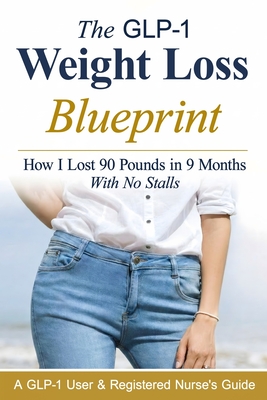
![The GLP-1 Revolution: Heal Your Metabolism, Lose Weight for Good, and Reclaim Your Health [Book]](https://images-us.bookshop.org/ingram/9798287686680.jpg?v=e963b2c067361e7d88413cd527722c01)
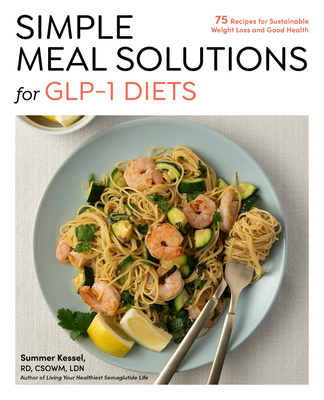







)