It's important to distinguish GLP-1 receptor agonists like Ozempic from another class of diabetes medicationsSGLT2 inhibitors (such as dapagliflozin, empagliflozin, and canagliflozin)
It specifically addresses the neurological and hematologic needs of pets with B12 deficiencies, anemia, or chronic digestive conditionsoffering safe, measurable support with every drop

These are promising results, but the studys authors note that more research is needed, and clinicians must also consider potential adverse effects, evaluate the cost-effectiveness of these medications for each patient, and closely monitor for any improvement or worsening of eating disorders and related side effects. That hesitation is shared by the National Eating Disorder Association (NEDA), who published an opinion paper on GLP-1s and eating disorders in 2024, stating: While there is some evidence that GLP-1s can decrease the number of binge eating episodes for those with BED, little is known about the long term physical and psychological impact on those with eating disorders. How GLP-1s could also fuel eating disorders The same mechanisms that make these medications helpful for some could make them harmful for others
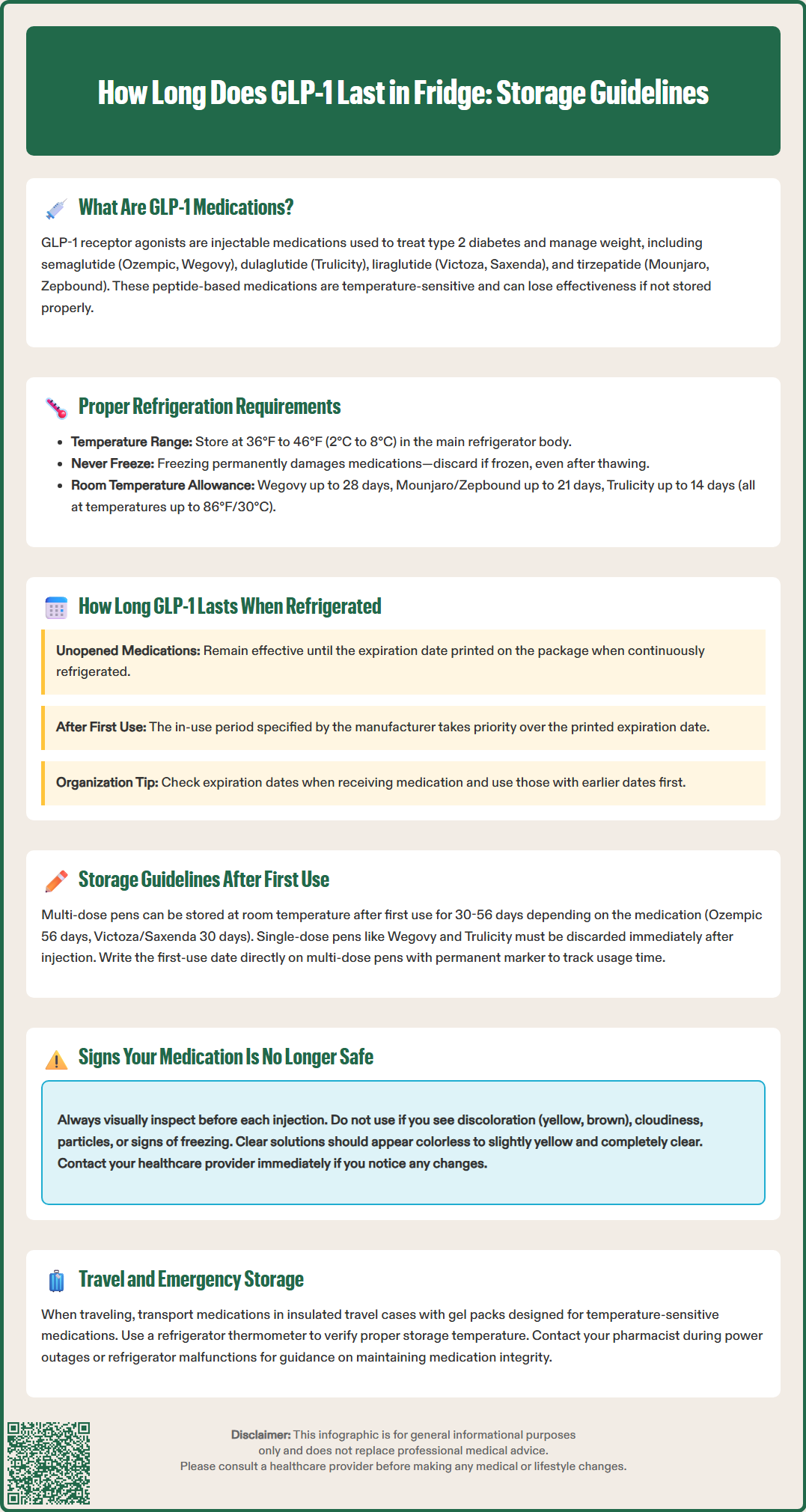
Light exposure can also degrade peptide medications