Train harder · Free ship $75+ · Gear up now
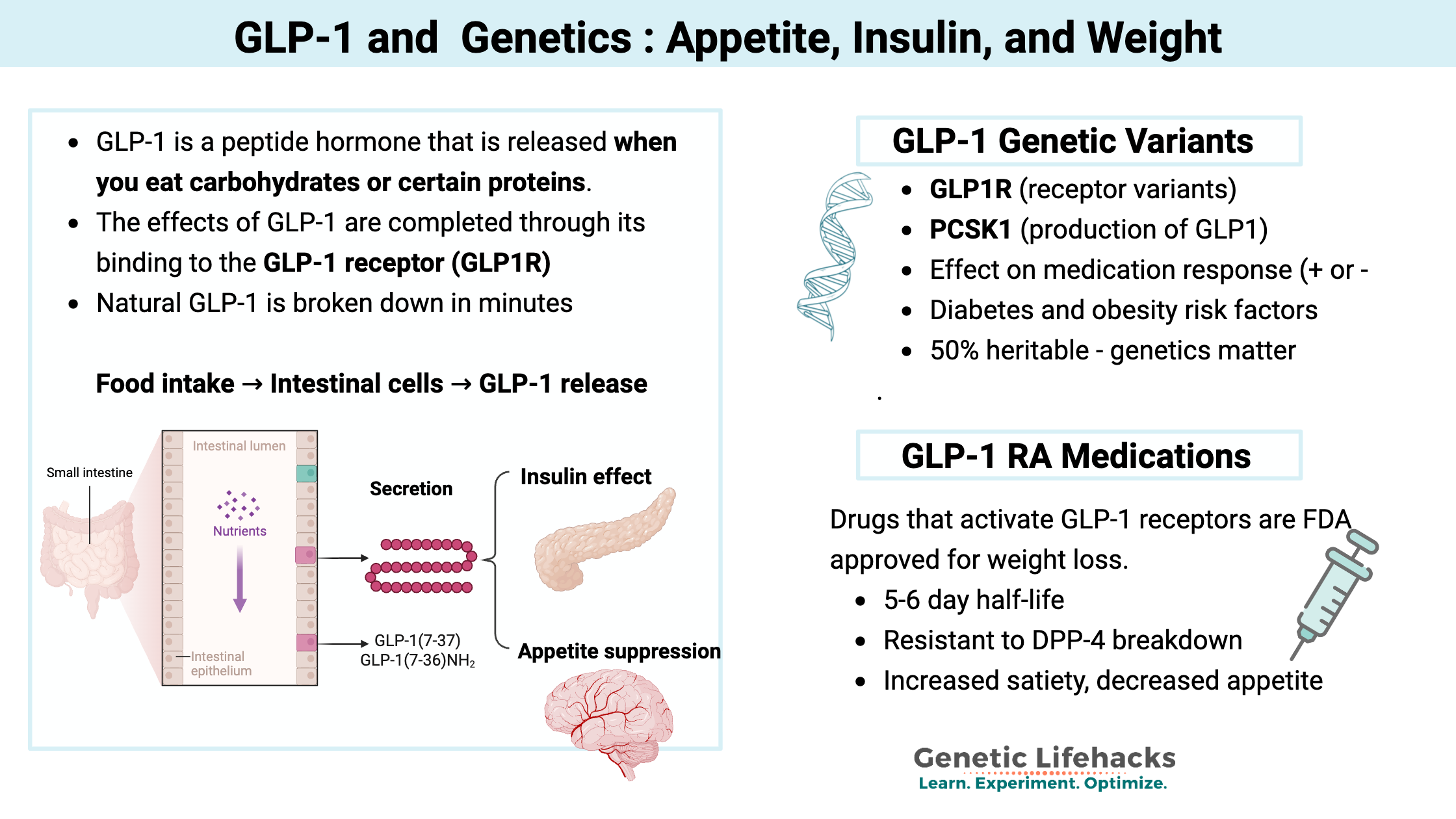
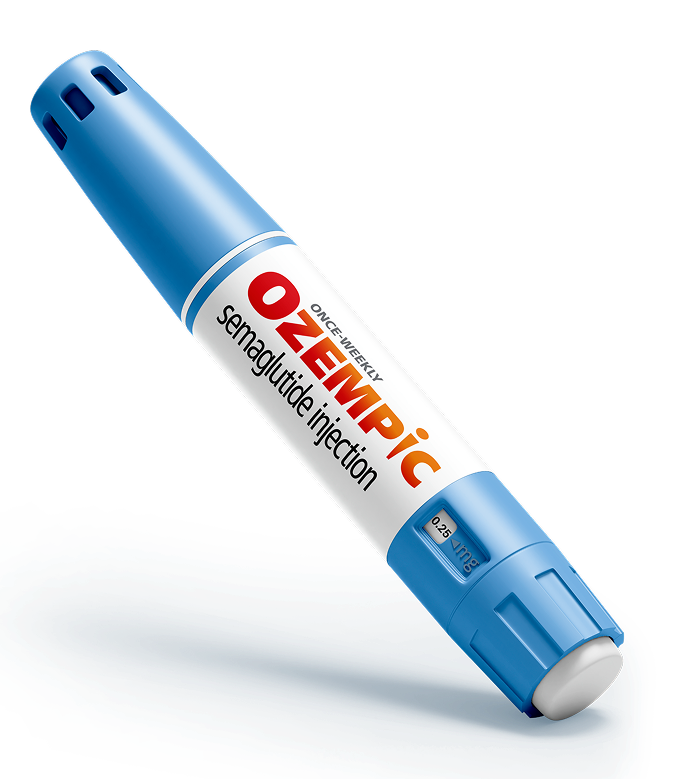
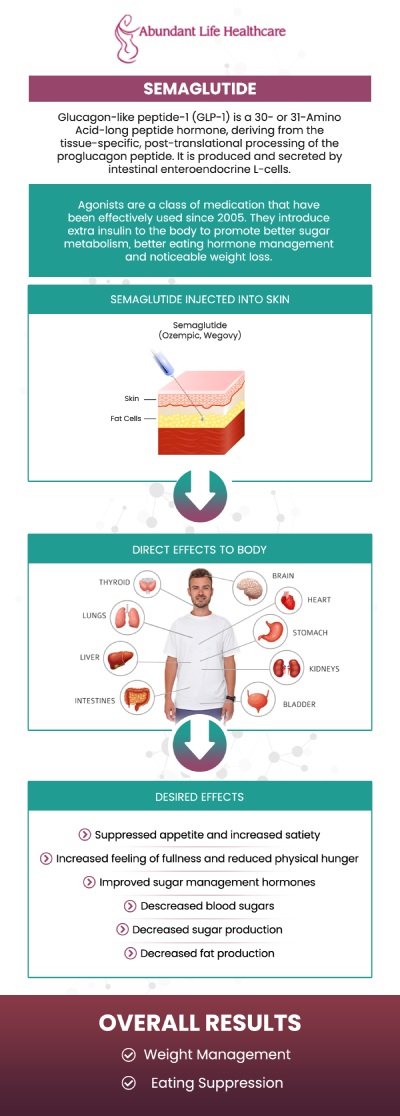
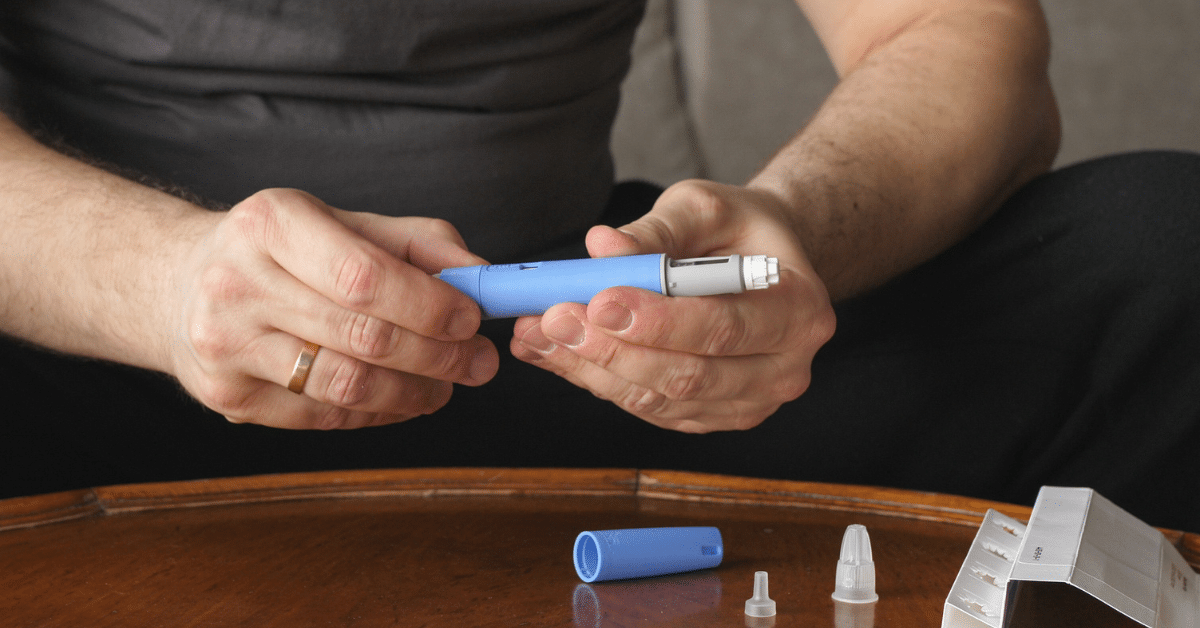
examples of glp 1 analogues

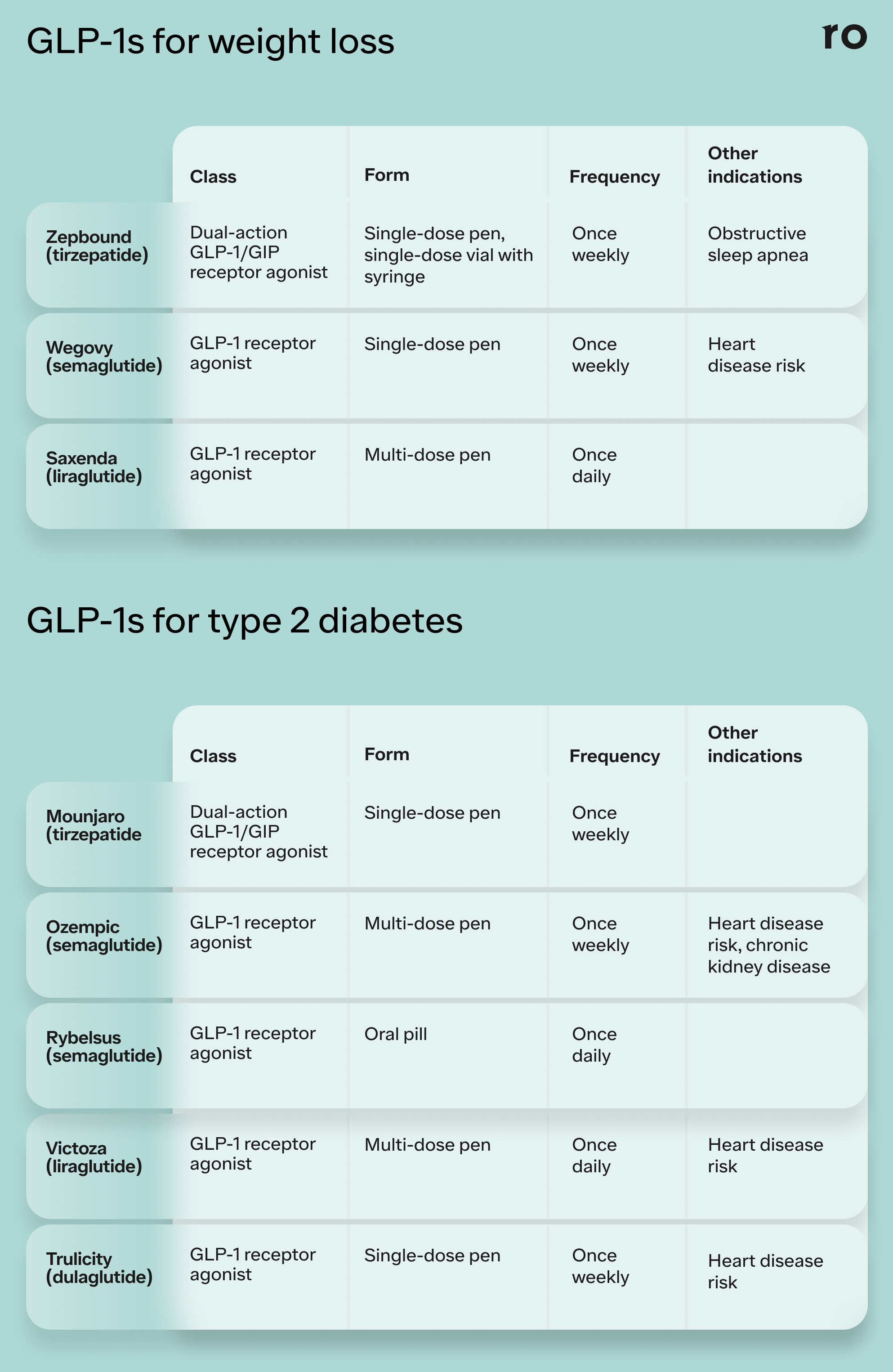
examples of glp 1 analogues GLP-1 Agonists are commonly used medications to treat Type 2 Diabetes. They are subcutaneous injections, so many patients mistaken these medications for insulin. However, GLP-1's are very different. They work primarily on GLP-1 Agonists Explained: Definition, How

SKU: 5035154543

4.7
EUR24.09 EUR56.09

Pay in 4 interest-free payments of $6.02 Learn more

Shipping Estimate
USA
  • USA
  • CAN

Ships within 48 hours · Estimated delivery Aug 3 - Aug 8
Description

Typical use levels vary from 0.3-1% as a preservative booster and go up to 2% to condition skin

examples of glp 1 analogues GLP-1 Agonists are commonly used medications to treat Type 2 Diabetes. They are subcutaneous injections, so many patients mistaken these medications for insulin. However, GLP-1's are very different. They work primarily on GLP-1 Agonists Explained: Definition, How

You can't stop the storm from coming, but you can make sure your house is in the best possible condition to weather it

examples of glp 1 analogues GLP-1 Agonists are commonly used medications to treat Type 2 Diabetes. They are subcutaneous injections, so many patients mistaken these medications for insulin. However, GLP-1's are very different. They work primarily on GLP-1 Agonists Explained: Definition, How

Following the panning procedure, 100 l of the eluted solution was added on the RMG plates (1 M9 salt, 0.2% casamino acid, 0.5% glucose, 1 mM MgCl 2 , 1.5% agar)

examples of glp 1 analogues GLP-1 Agonists are commonly used medications to treat Type 2 Diabetes. They are subcutaneous injections, so many patients mistaken these medications for insulin. However, GLP-1's are very different. They work primarily on GLP-1 Agonists Explained: Definition, How

Researchers who dont verify sourcing risk introducing batch-to-batch inconsistency into their work, which can undermine reproducibility a foundational requirement in scientific research

examples of glp 1 analogues GLP-1 Agonists are commonly used medications to treat Type 2 Diabetes. They are subcutaneous injections, so many patients mistaken these medications for insulin. However, GLP-1's are very different. They work primarily on GLP-1 Agonists Explained: Definition, How
Exchange/Return Notes
  • We offer a 30-day return/exchange service after receiving.
  • Final sale items are not eligible for returns or exchanges.
  • To process your return/exchange, please contact us at [email protected]
  • Please click here for more details>>> Return & Exchange Policy

You may also like

recommand products