Alzhaimers disease Alzhaimers disease (AD) is a chronic neurodegenerative disease characterized by the pathological accumulation of -amyloid peptides and neurofibrillary tangles into the brain, that usually starts slowly and gets worse over time up to dementia
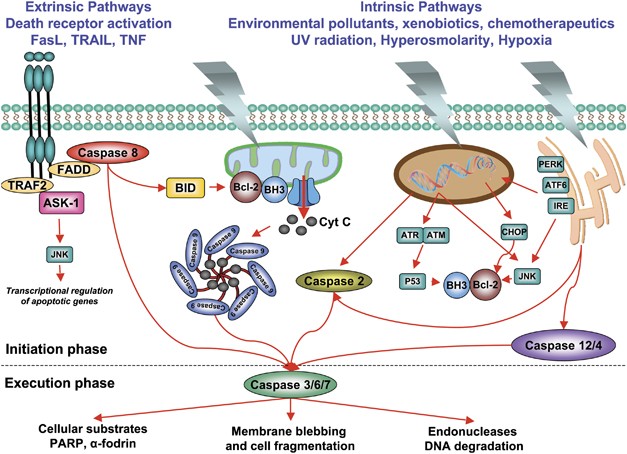
Open questions What is the crosstalk between ferroptosis and other cell death pathways
From blood monocytes to adipose tissue-resident macrophages: induction of diapedesis by human mature adipocytes
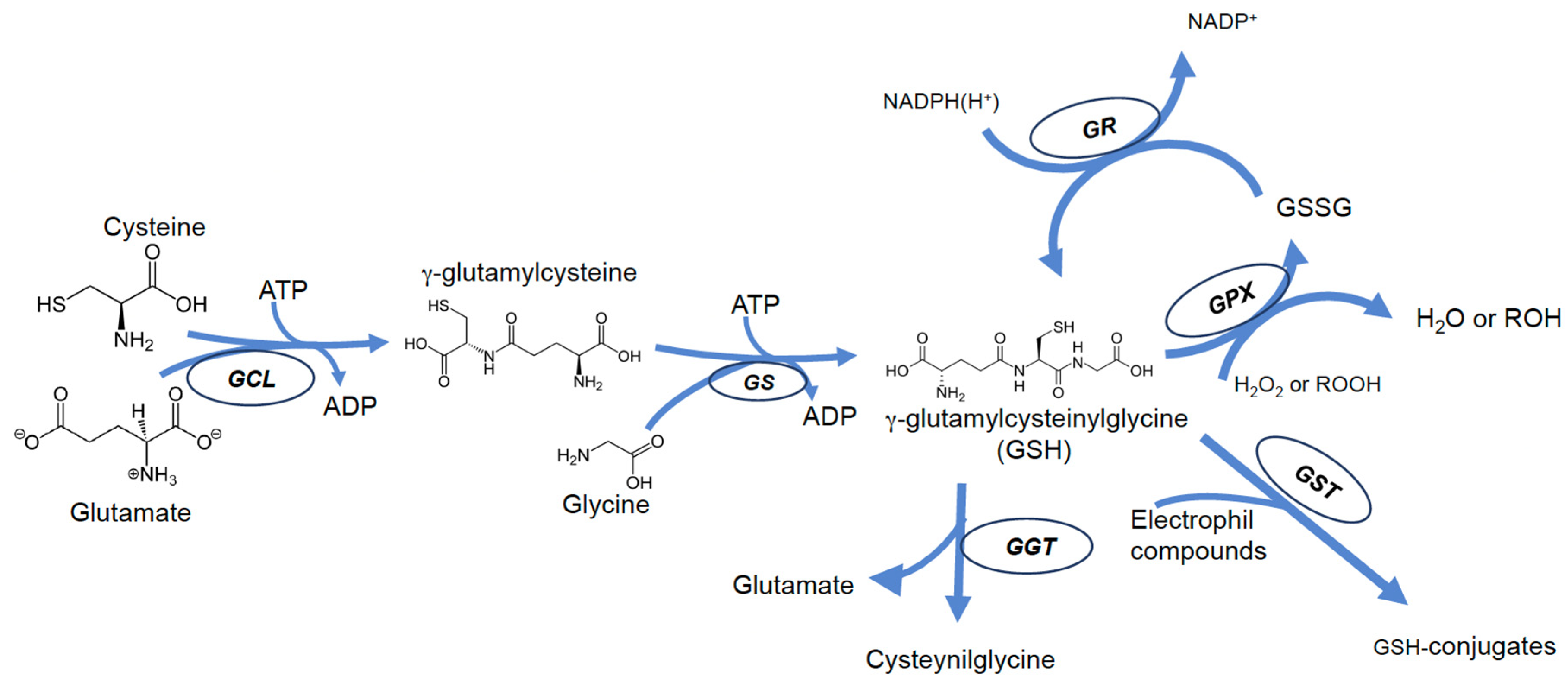
Specifically, the biosynthesis of amino acids (37 KOs), was significantly down-represented, including cysteine and methionine metabolism ( metA , metB , metK , mtnN , thrB , cysK , patB and L-serine dehydratase ), the biosynthesis of lysine ( dapA , dapB , dapE , dapH , dapL , argD , patA and lysA ), the metabolism of histidine ( hisA , hisB , hisE , hisH and hisI ), glycine, serine and threonine ( glyA , thrB , thrC and L-serine dehydratase ), alanine, aspartate and glutamate (asnA, asnB and argH), the biosynthesis of phenylalanine, tyrosine and tryptophan ( aroD and aroE ) and the biosynthesis of arginine ( argD and argH )